Heal
the
Habitat
“Heal the Habitat.” a division of “Angels of the Earth” 501 (c)3 Nonprofit.
Our Mission
Our mission is to bring our considerable mental and creative resources together to find solutions to the environmental crisis.*
*The possible extinction of life on earth.
our proposals
“Active Capture” Remediation systems
We are developing a comprehensive approach of active, remote operated, mechanical/ physical capture system, capable of engulfing, and removing a 6 foot diameter target of seafloor and objects, like rotting barrels of DDT and DDX.
Capable of operating at 4500 feet below the ocean, able to prevent cross contamination, while being minimally invasive to any sea-life present.
Our proposed system, will be able to remediate a decomposing barrel and its surrounding 12 foot diameter of seafloor, in a conservative estimate of ½ to 1 hour.
The capture vessel is also the Crucible the toxins are processed in, utilizing a mix of biologicals (Archaea, Bacteria and fungi) and ideal conditions.
Active biologicals to perform on-site remediation on land, and at 3000 feet below the sea, on the ocean floor.
on-site remediation on the ocean floor, utilizing the active biologicals and extremophiles we’ve researched –naturally existing organisms such as archaea, bacteria and fungi that can be cultured, and will readily ingest and absorb various toxins like DDT, PCBs and radioactive materials.
Steven Vetter – CEO
Jeremy Traub – CCO ‘Chief Creative Officer’ head of Engineering, and Media development.
Rodney Davis – Marketing and Finance Director
Rob Milhander – Director of Development
Creative Strategic Partners:
Robert Roth – Social-media specialist. Media production, music development, Industrial Design, Electronics and Electric,
Z LALA – Record holding Vocal Artist, Humanitarian and activist. Social-media Specialist.
Facts:
The Palos Verdes Shelf Superfund site is an area of contaminated sediment off the Palos Verdes Peninsula.
The contaminated sediment lies in the Pacific Ocean at depths of 150 ft. and more, too deep for human contact. However, the fish found in the Palos Verdes Shelf area contain high concentrations of DDT and PCBs. Although current concentrations have dropped from historical highs, concentrations of DDT and PCBs in fish continue to pose a threat to human health and the natural environment.
https://19january2017snapshot.epa.gov/www3/region9/superfund/pvshelf/pdf/PVS-Factsheet-0208-English.pdf
Recent research estimates 27,000 barrels, alongside over 100,000 other debris items, rest on the ocean floor, mostly full of an industrial alkaline toxin.
These figures come from extensive studies, including sonar mapping and sediment sampling. Removing this pollution will require collaboration between scientists, governments, and environmental organizations.
The massive extent of this disaster is expected to cost many millions of dollars.
Our proposed project could be achieved with far less investment, and a more manageable and focused effort.
We propose developing a comprehensive system of toxin recovery, remediation and neutralization.

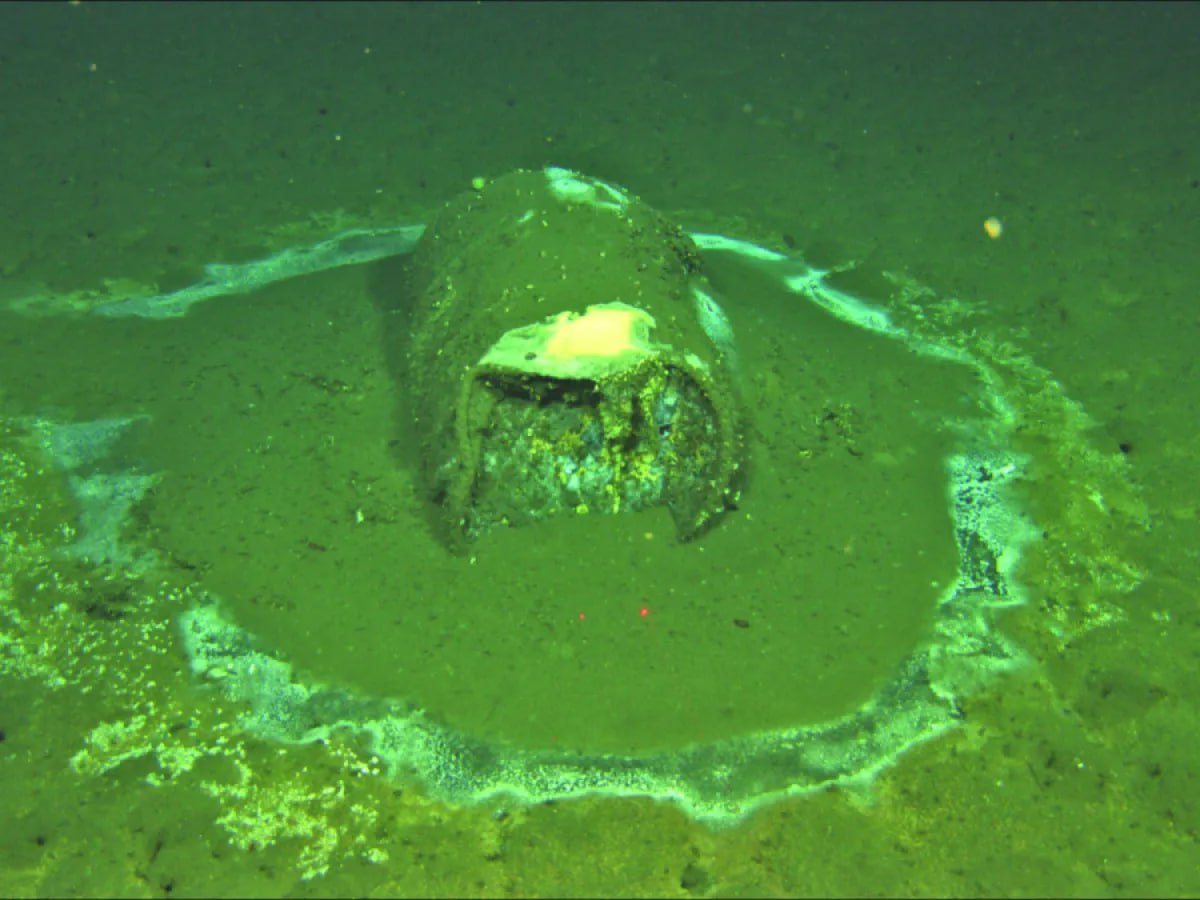
A barrel of DDT, 3000 feet below the surface, on the Palos Verdi Shelf
Scientists discovered barrels of industrial waste beginning in 2011 off the Palos Verdes coast. From March 11 through 24, UC San Diego’s Scripps Institution of Oceanography and National Oceanic and Atmospheric Administration took a survey to “verify how many barrels potentially containing DDT-contaminated waste” that are sitting on the bottom of the ocean. (photo courtesy of David Valentine/RV Jason)